

Marijuana Blog
Is DMT Legal in Canada?
Oct
No. DMT is a controlled substance in Canada. It sits in Schedule III of the Controlled Drugs and Substances Act, which makes possessing, producing, selling or importing it an offence unless you hold an exemption or authorisation from Health Canada.
That is the short answer. The longer one is more interesting, because the legal routes that do exist have widened in recent years, and the way the law treats DMT is not quite the way it treats every other controlled substance.
Key Takeaways
- DMT is listed in Schedule III of the Controlled Drugs and Substances Act as “N,N-Dimethyltryptamine (DMT) and any salt thereof”.
- That puts it in the same schedule as psilocybin and LSD.
- Possession, trafficking, production and import are all offences under the Act without an authorisation.
- Legal access exists through clinical trials, Health Canada’s Special Access Program and section 56 exemptions, none of which covers general purchase.
- Plants that contain DMT are not themselves listed, which is a real wrinkle in how the law applies to ayahuasca.
Is DMT Legal in Canada?
It is not. The Department of Justice list of scheduled drugs records DMT at item 7 of Schedule III: “N,N-Dimethyltryptamine (DMT) and any salt thereof”. Schedule III is where most classic psychedelics sit, including psilocybin, psilocin and LSD.
Being scheduled is what triggers the offences. Section 4 of the Act makes it an offence to possess a substance listed in Schedule I, II or III without authorisation. Section 5 covers trafficking, which in the Act’s language includes selling, giving, transferring and offering to do any of those things. Production and import carry their own sections.
There is no provincial variation here. Cannabis was removed from the Act and given its own legislation in 2018. DMT was not, and no province can legalise it on its own.
What Does Schedule III Actually Mean?
The schedules in the Act sort substances into groups that carry different maximum penalties and different regulatory handling. Schedule I covers substances such as opioids and cocaine. Schedule III covers most hallucinogens, including DMT, psilocybin, psilocin, LSD and mescaline.
Cannabis is the obvious contrast. It came out of the Act entirely in 2018 and now has its own legislation, which is why you can order cannabis online in Canada and why none of what follows applies to it.
A common misreading is that Schedule III means “less serious” in some general sense. It is better understood as a classification that determines which penalty ranges and which regulatory pathways apply. The practical point for most people is simpler: a Schedule III substance is illegal to possess without an authorisation, and the fact that it is a psychedelic rather than an opioid does not change that.
How Can DMT Be Accessed Legally in Canada?
Three routes exist, and all three are narrow.
- Clinical trials. Authorised trials can use controlled substances under Health Canada oversight. This is the main route by which psychedelics are studied in Canada.
- The Special Access Program. Health Canada’s SAP can authorise a manufacturer to sell a drug to a practitioner for a patient with a serious or life threatening condition where conventional treatments have failed, are unsuitable or are unavailable.
- Section 56 exemptions. The Minister can exempt a person or a class of people from the Act where it is necessary for a medical or scientific purpose or otherwise in the public interest. Health Canada has issued class exemptions covering specific psychedelic substances and situations.
Health Canada’s own notice on psychedelic-assisted psychotherapy is explicit that the SAP is not a way to get around clinical trials or the drug review process. None of these three routes is a mechanism for buying DMT.
Psilocybin has seen more activity through these routes than DMT has, which is part of why the two are often discussed together. We wrote about where that research sits in our piece on psychedelics and mental health care.
What About Ayahuasca?
This is where it gets genuinely complicated. DMT the molecule is listed. The plants that contain it are not named in Schedule III, and that distinction has mattered in practice.
Ayahuasca is a brew made from plants that contain DMT alongside compounds that make it orally active. The molecule in the brew is scheduled, so a preparation containing DMT is caught by the Act even though the plants themselves are not named in Schedule III.
Section 56 is the route that has been used here. It lets the Minister exempt a person or a class of people from the Act where that is necessary for a medical or scientific purpose or otherwise in the public interest, and exemptions are decided case by case. An exemption covers the people and the purposes named in it, so it is not a general permission and it is not something a buyer inherits by ordering plant material online.
Is DMT Decriminalised Anywhere in Canada?
No, and the exemption people usually have in mind never covered it. British Columbia ran a federal exemption from 31 January 2023 that removed criminal penalties for personal possession of small amounts of opioids, cocaine, methamphetamine and MDMA, up to 2.5 grams in total. DMT was not on that list. The exemption was narrowed in May 2024 to exclude public spaces, and it was set to run until 31 January 2026. Policy here moves, so check a current source rather than assuming older coverage still applies.
Enforcement practice is a separate question from the law. Psychedelics are visibly sold in Canada, and the gap between what the statute says and what is prosecuted is wide. That gap is not a legal protection, and this page is not going to pretend it is one.
Where Does That Leave Buying DMT Online in Canada?
Buying and selling DMT falls under the Act. That is the honest statement of the legal position, and it applies to every Canadian site selling it, ours included.
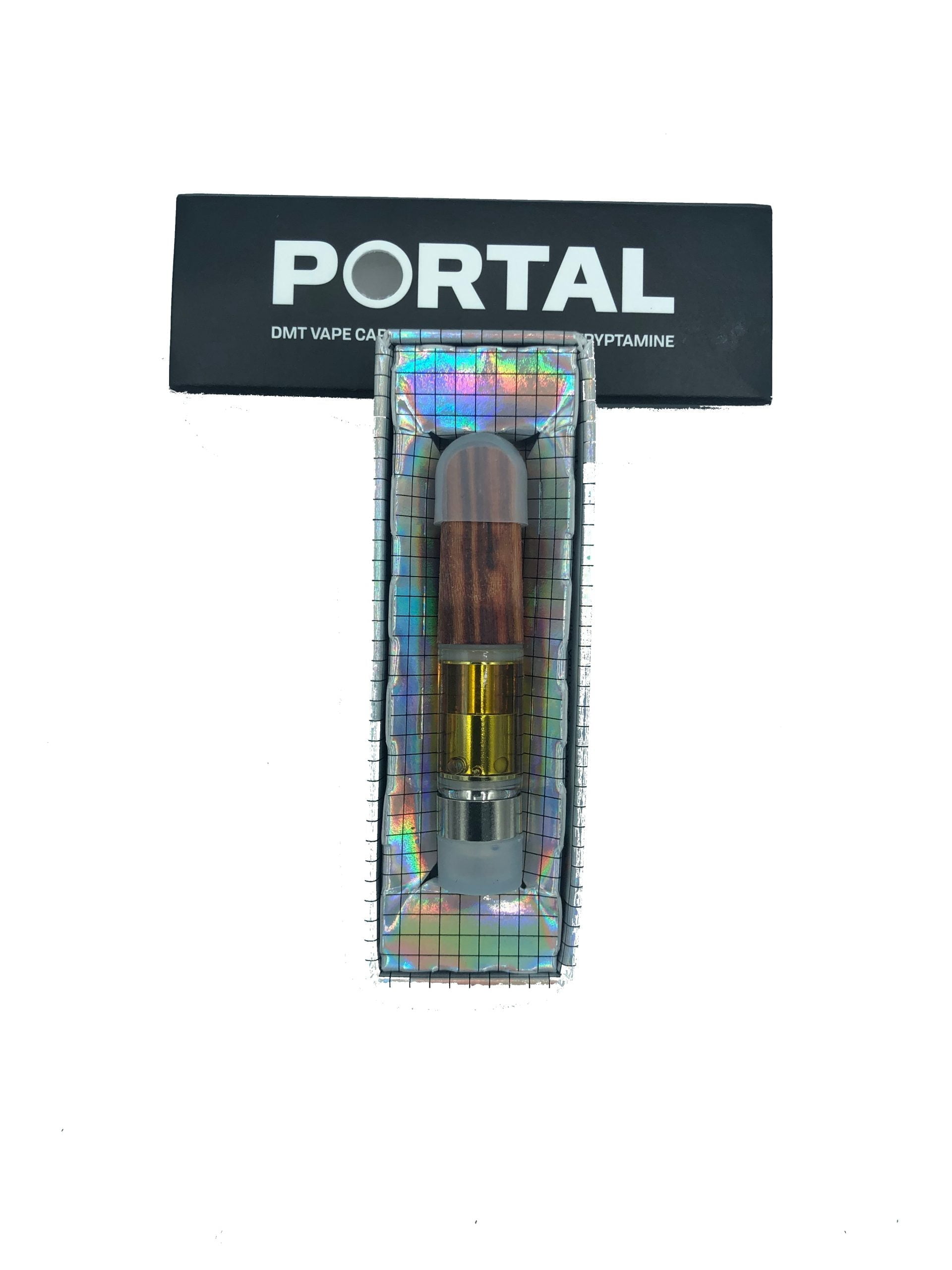
What we can usefully say is this: people make their own decisions, and the thing that reduces actual risk is knowing what you are getting. A product with a stated amount on the label, in sealed packaging, from a seller you can contact, is a different proposition from an unlabelled syringe from a stranger. If you want to understand the hardware and the labelling before anything else, start with our guide to what a DMT vape pen is, which covers what the numbers on a cartridge mean, and our guide to how long DMT lasts.
Frequently Asked Questions
Is DMT legal in Canada?
No. DMT is listed in Schedule III of the Controlled Drugs and Substances Act as “N,N-Dimethyltryptamine (DMT) and any salt thereof”. Possession, production, sale and import are offences without an authorisation or exemption from Health Canada.
What schedule is DMT in Canada?
Schedule III, at item 7. That is the same schedule as psilocybin, psilocin, LSD and mescaline. Cannabis was removed from the Act in 2018 and given separate legislation, but DMT was not.
Is it illegal to possess DMT in Canada?
Yes. Section 4 of the Controlled Drugs and Substances Act makes it an offence to possess a substance listed in Schedule I, II or III unless you are authorised to do so. Section 5 covers trafficking, which includes selling, giving and transferring.
Is ayahuasca legal in Canada?
Not generally. DMT is listed as a molecule, and the plants that contain it are not named in Schedule III, but a preparation containing DMT is still caught by the Act. Section 56 of the Act allows the Minister to grant exemptions case by case, which is the route ceremonial use has gone through.
Can you get DMT legally for therapy?
Only through narrow channels: an authorised clinical trial, Health Canada’s Special Access Program, or a section 56 exemption. The Special Access Program is for serious or life threatening conditions where conventional treatments have failed, are unsuitable or are unavailable.
Is DMT decriminalised in Canada?
No. British Columbia’s federal exemption, which began on 31 January 2023, covered opioids, cocaine, methamphetamine and MDMA only. DMT was never included. That exemption was also narrowed in May 2024 to exclude public spaces.
What is the difference between DMT and psilocybin legally?
Very little. Both sit in Schedule III of the same Act and both carry the same categories of offence. Psilocybin has had more exemption activity through the Special Access Program, which is a difference in practice rather than in classification.
The Short Version
DMT is a Schedule III controlled substance in Canada, the legal access routes are narrow and clinical, and nothing about the way the market operates changes the text of the Act. If you want to read further into the product side rather than the legal side, our DMT vape pen guide covers the hardware, the labelling and what to look for, and you can see the rest of our psychedelics range here.